Laser Therapy
Laser Therapy for Physiotherapy
& Rehabilitation
Professional laser therapy systems for physiotherapy clinics, sports medicine and rehabilitation centres. The Globus Physiolaser range — clinically proven for tissue repair, pain relief and wound healing.
What Is Laser Therapy
Low-Level Laser Therapy & Photobiomodulation
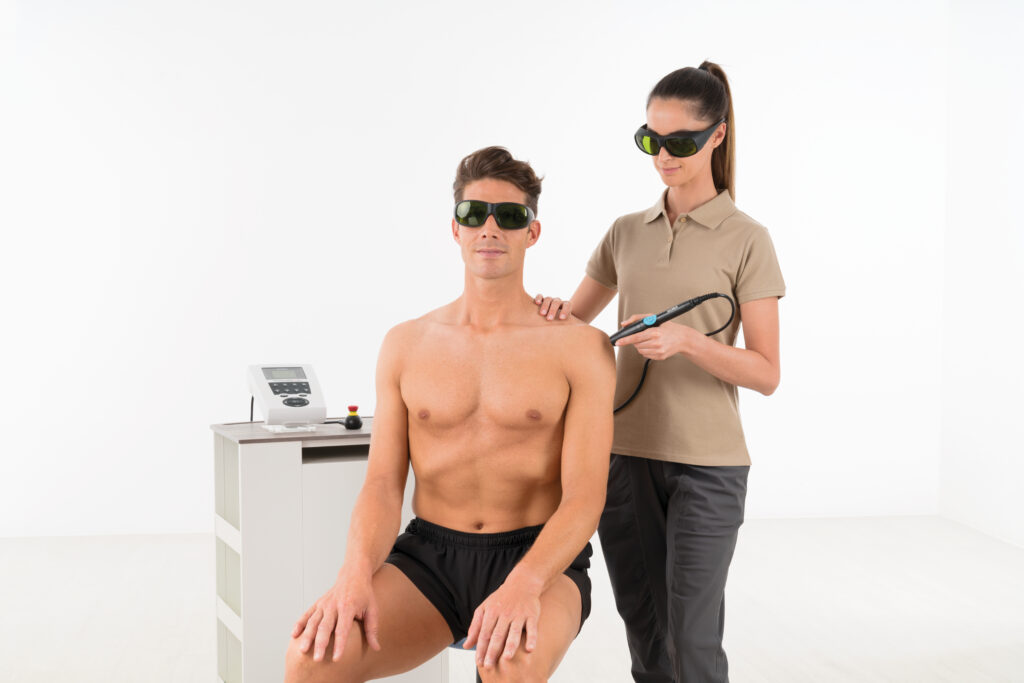
Laser therapy — also known as Low-Level Laser Therapy (LLLT) or photobiomodulation — is one of the most clinically versatile therapeutic modalities available to physiotherapists and rehabilitation professionals today.
Laser therapy uses specific wavelengths of light emitted in a coherent, collimated beam to penetrate biological tissue and stimulate cellular processes at a biochemical level. Unlike high-power surgical lasers that cut or ablate tissue, therapeutic lasers operate at low power levels and produce no heat sensation — the treatment is completely painless and non-invasive.
The wavelength of the laser determines the depth of tissue penetration. The Globus Physiolaser range uses wavelengths in the 808nm and 980nm range— proven to penetrate effectively through skin and subcutaneous tissue to reach the target structures including muscles, tendons, ligaments and joints.
Laser therapy is supported by an extensive body of clinical research and is used by physiotherapists, sports medicine clinicians, rehabilitation specialists, podiatrists and veterinary professionals across the world.
How It Works
The Science Of Photobiomodulation
CELLULAR MECHANISM
The primary target of therapeutic laser light is cytochrome c oxidase — an enzyme found in the mitochondria of every cell in the body. When photons from the laser are absorbed by cytochrome c oxidase, it triggers a chain reaction that increases the production of ATP (adenosine triphosphate) — the cellular energy currency.
More ATP means cells have more energy to carry out their repair and regeneration functions. In damaged or inflamed tissue, this leads to faster healing, reduced inflammation and accelerated recovery. The process is called photobiomodulation — the modification of biological processes through light.
ANTI-INFLAMMATORY EFFECTS
Laser therapy has a well-documented anti-inflammatory effect. It reduces the production of pro-inflammatory prostaglandins, decreases vascular permeability and improves lymphatic drainage — all of which contribute to faster resolution of acute inflammation and reduced chronic inflammatory states.
ANALGESIC EFFECTS
Laser therapy reduces pain through multiple mechanisms. It increases the production of endorphins and serotonin, blocks pain signal transmission through neural pathways and reduces the sensitivity of nociceptors — the nerve endings that detect pain. Patients typically report significant pain reduction during or immediately after treatment.
TISSUE REGENERATION
At a tissue level, laser therapy stimulates fibroblast activity — the cells responsible for producing collagen. This leads to improved quality and speed of tissue repair in tendons, ligaments and skin. It also promotes the formation of new blood vessels (angiogenesis) in the treated area, improving long-term blood supply and tissue health.
Clinical Applications
What Laser Therapy
Treats
Pain
RELIEF
Immediate and cumulative pain relief through endorphin release and neural pathway modulation. Effective for both acute and chronic pain.
Wound
HEALING
Accelerated wound closure through stimulation of fibroblast activity and collagen synthesis. Particularly effective for non-healing wounds and post-surgical incisions.
Tissue
REPAIR
Enhanced repair of tendons, ligaments and muscles through increased ATP production and improved cellular metabolism.
Nerve
REGENERATION
Supports peripheral nerve regeneration and reduces neuropathic pain — applications in conditions such as carpal tunnel syndrome and peripheral neuropathy.
Conditions Treated
- Musculoskeletal pain
- neck, back, shoulder, knee, hip
- Tendinopathies
- Achilles, rotator cuff, patellar, elbow
- Wound healin acute wounds, chronic ulcers, post-surgical
- Osteoarthritis and rheumatoid arthritis pain management
- Sports injuries
- muscle tears, ligament sprains, bruising
- Neuropathic pain
- carpal tunnel, peripheral neuropathy
- Lymphoedema management
- Podiatry
- plantar fasciitis, diabetic foot complications
- Dermatology
- acne, psoriasis, wound care
- Veterinary applicationsall of the above in animals
Key Benefits
- Completely painless— no heat sensation, no discomfort during treatment
- Non-invasive and drug-free— no side effects, no contraindications beyond photosensitivity
- Fast treatment times— typically 3 to 10 minutes per area
- Immediate pain relief— many patients report relief during or after the first session
- Cumulative effects— results improve progressively across a course of treatment
- Suitable for all patient groups— including elderly, post-surgical and paediatric patients
- Highly versatile— one device treats a wide range of conditions across multiple specialties
- Excellent safety profile— over 30 years of clinical use with no documented serious adverse effects
Who Uses Laser Therapy
A Technology For
Multiple Disciplines
🏥
PHYSIOTHERAPISTS
Laser therapy complements manual therapy and exercise rehabilitation perfectly. It accelerates tissue healing, reduces pain and allows patients to progress through rehabilitation faster.
🦶
PODIATRISTS
The Globus Podcare range is specifically designed for podiatry applications — heel pain, plantar fasciitis, nail conditions and diabetic foot wound management.
⚽️
SPORTS THERAPISTS
Sports therapists use laser therapy for rapid acute injury management and faster return-to-play timelines. It reduces downtime and supports the healing of the injuries that interrupt athletic careers
🐾
VETERINSARY PROFESSIONALS
The Globus LaserVet range brings the same proven photobiomodulation technology to small animal and equine practice — for wound healing, pain management and post-operative recovery in animals.
Professional Laser Systems
Globus Physiolaser Range
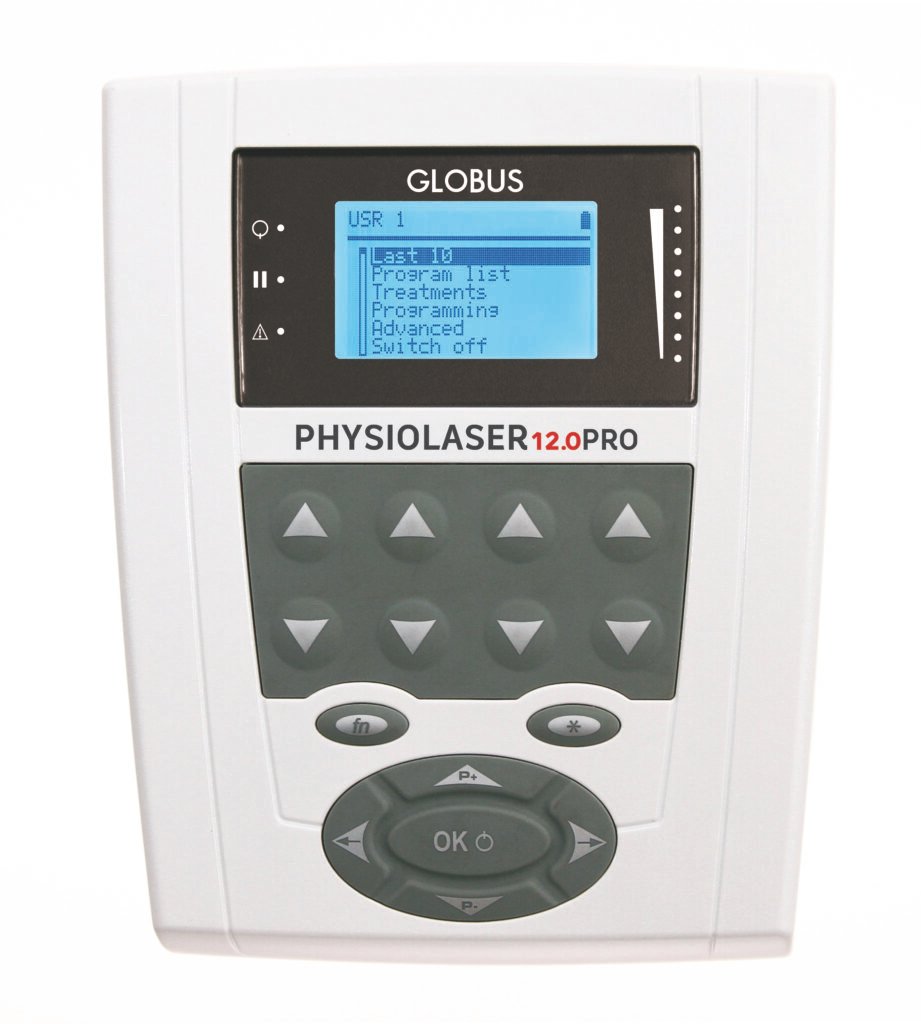
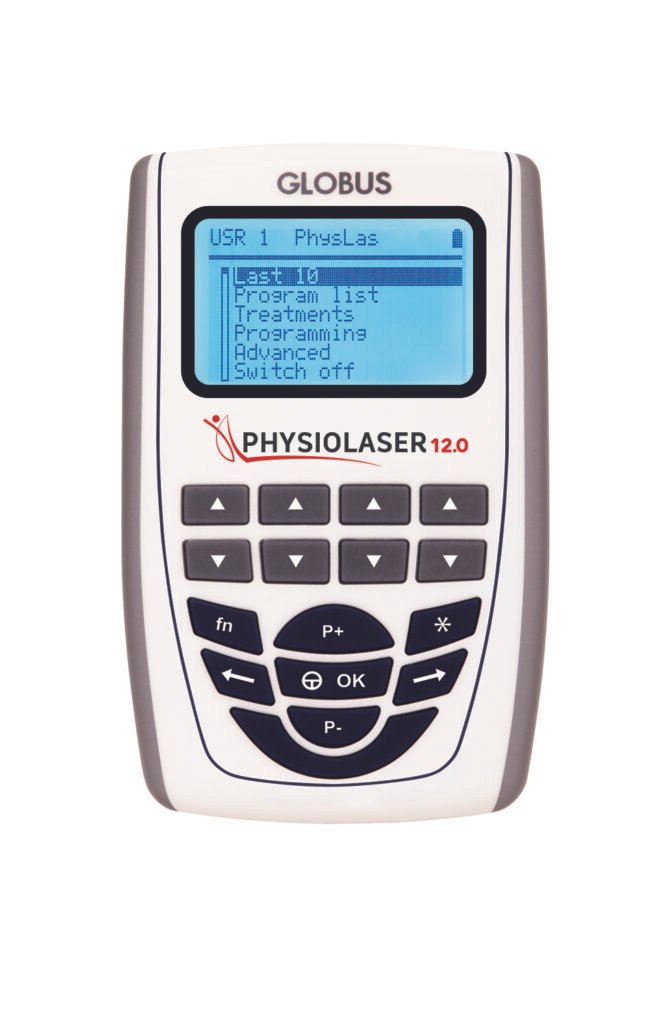
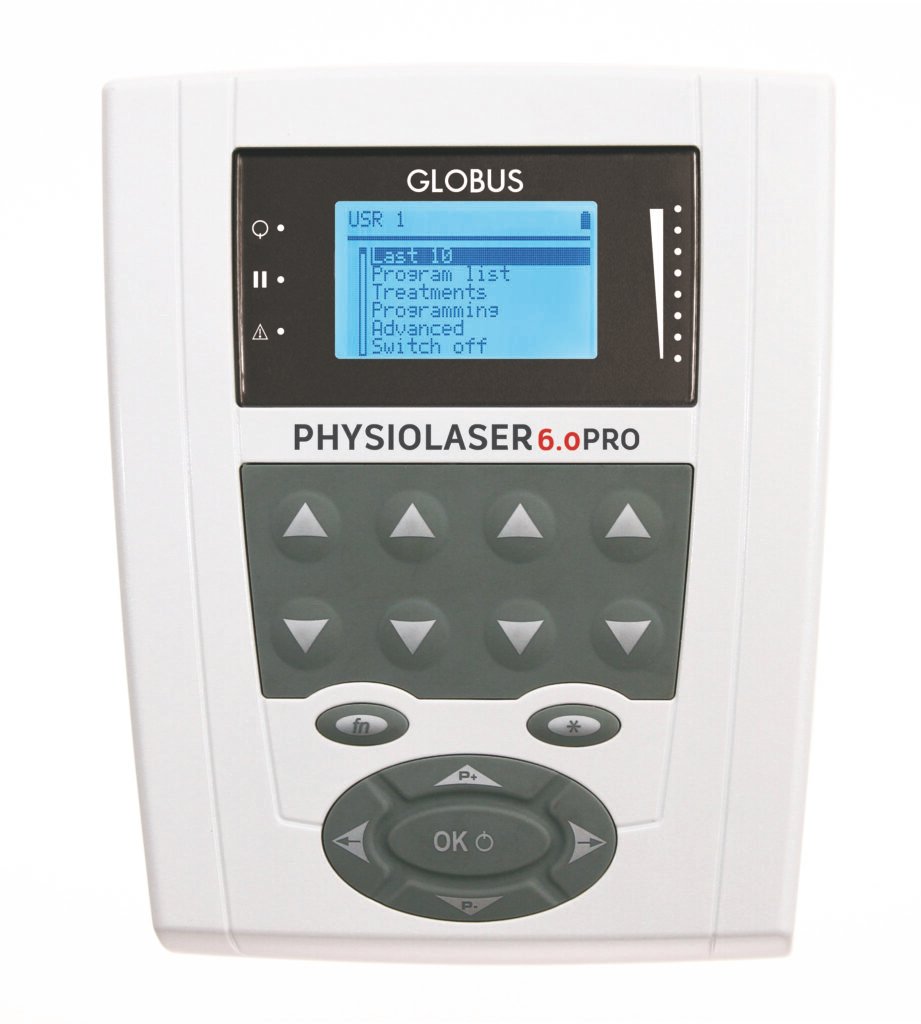
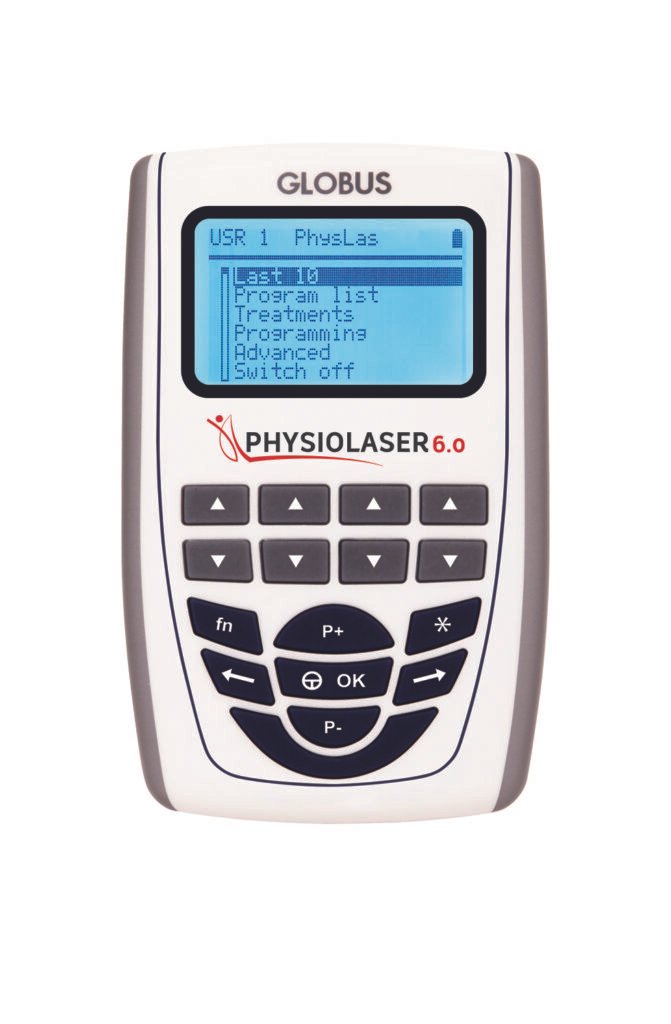
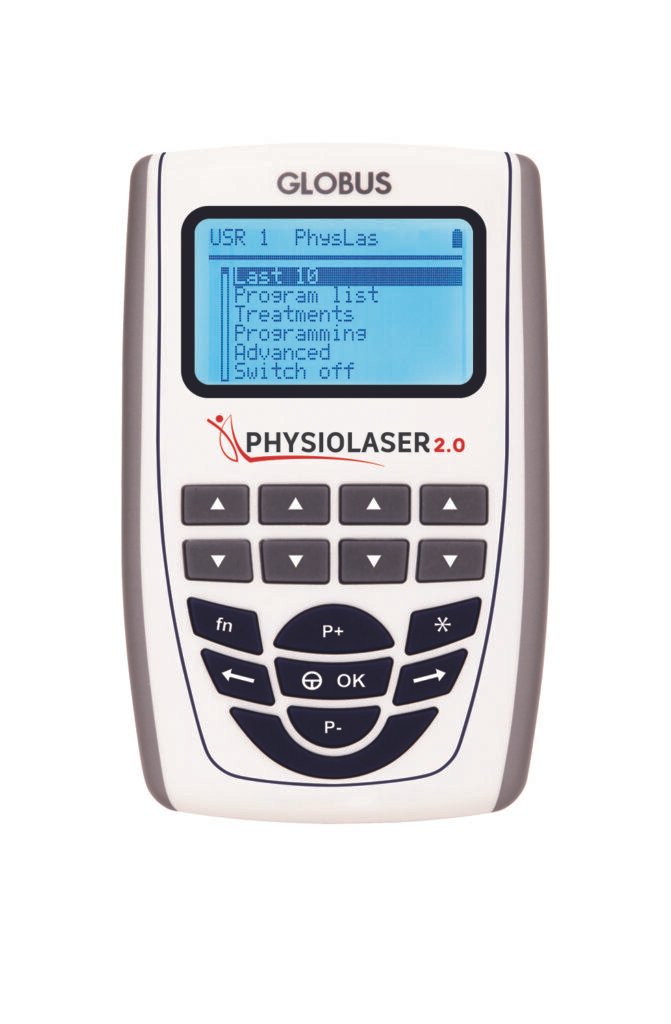
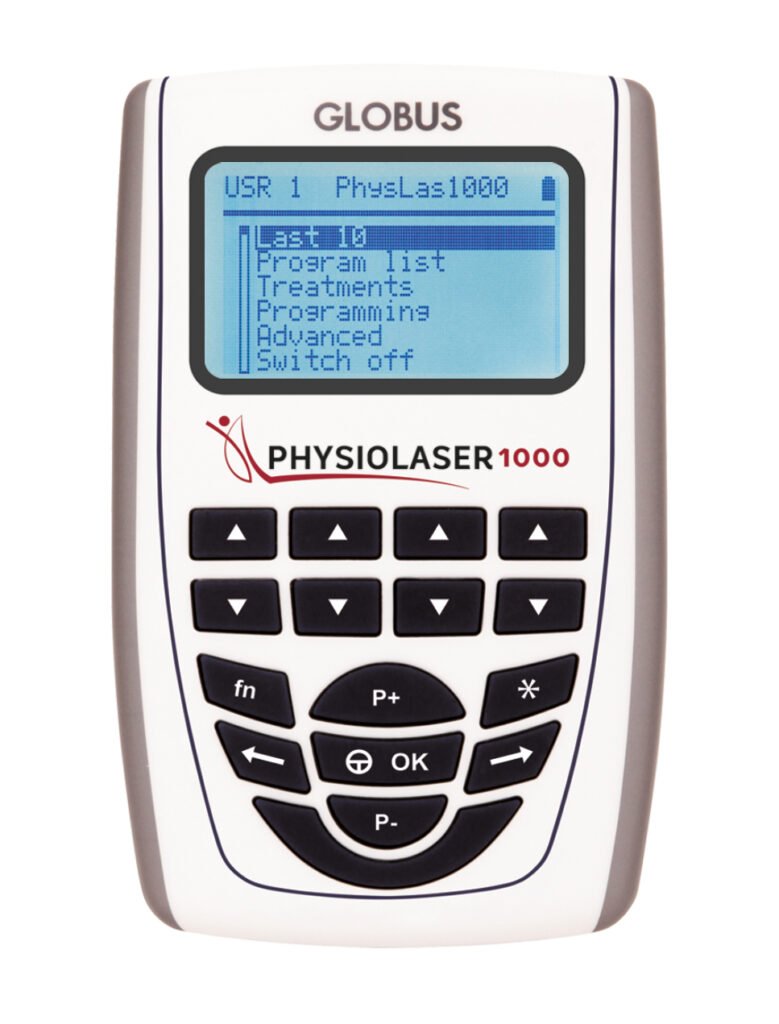
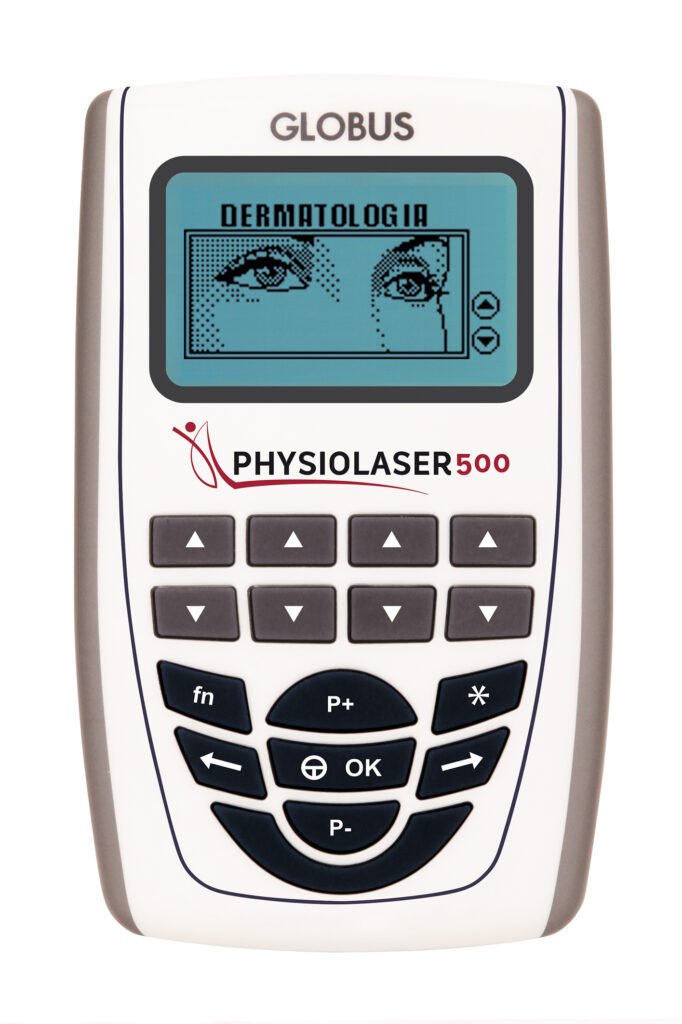
The complete Physiolaser range covers every power level and clinical need — from the compact, portable 1000 series through to the high-power 12.0 Pro for demanding clinical environments.